
Platinum, yellow, white and rose gold each behave differently over a lifetime of wear. Which one suits you depends on more than colour.
Metal is usually chosen last and on the basis of colour alone, which is a shame, because it determines more about how a piece ages than almost anything else. Here is how the common choices differ in practice.
Platinum
Platinum is dense, naturally white and does not need plating. Scratches displace metal rather than removing it, so a platinum ring develops a soft satin patina over years rather than wearing thin. It is the most durable choice for a piece worn every day, and the most expensive.
White gold
White gold is yellow gold alloyed with white metals and finished with rhodium plating, which gives it a brighter, cooler white than platinum. That plating wears through over a few years and needs renewing — a routine, inexpensive job, but one to expect rather than be surprised by.
Yellow and rose gold
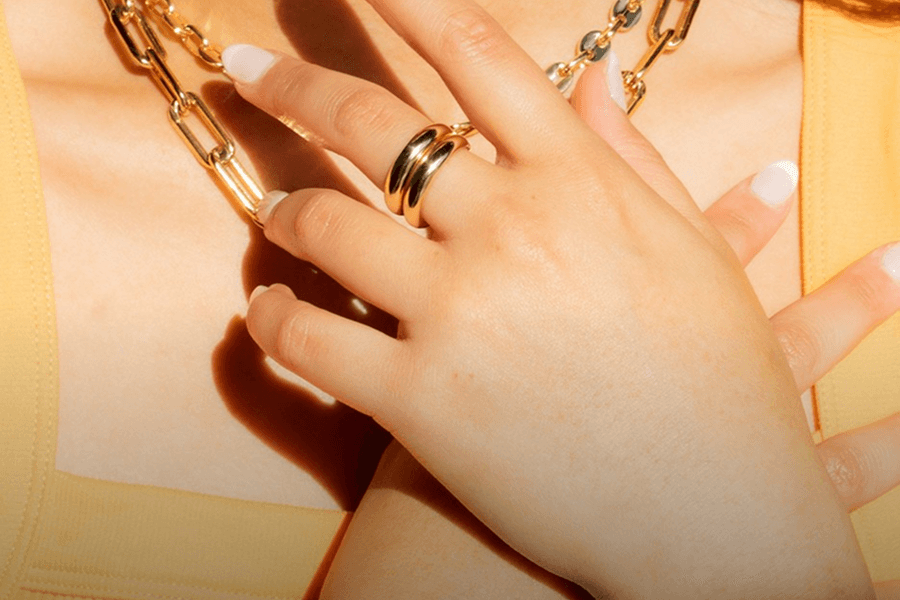
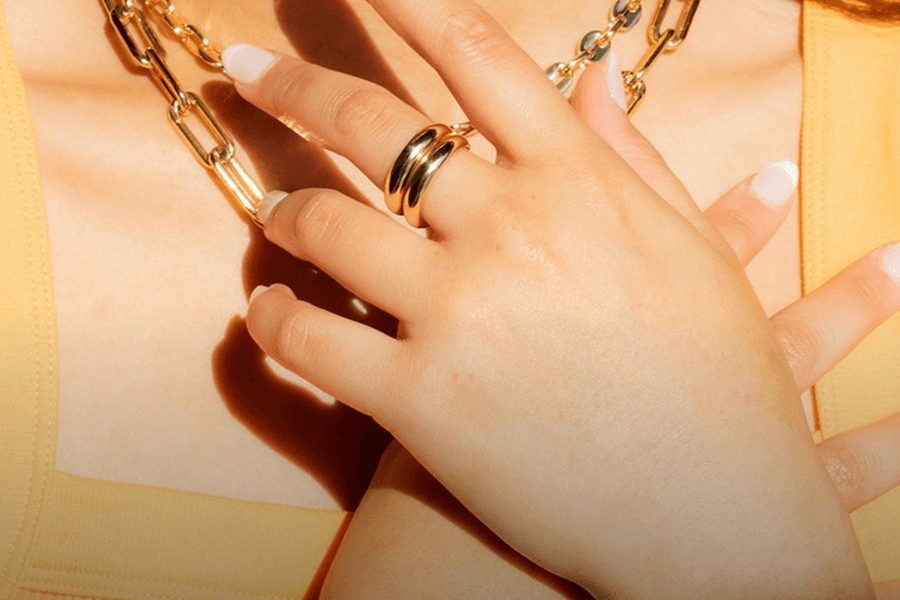
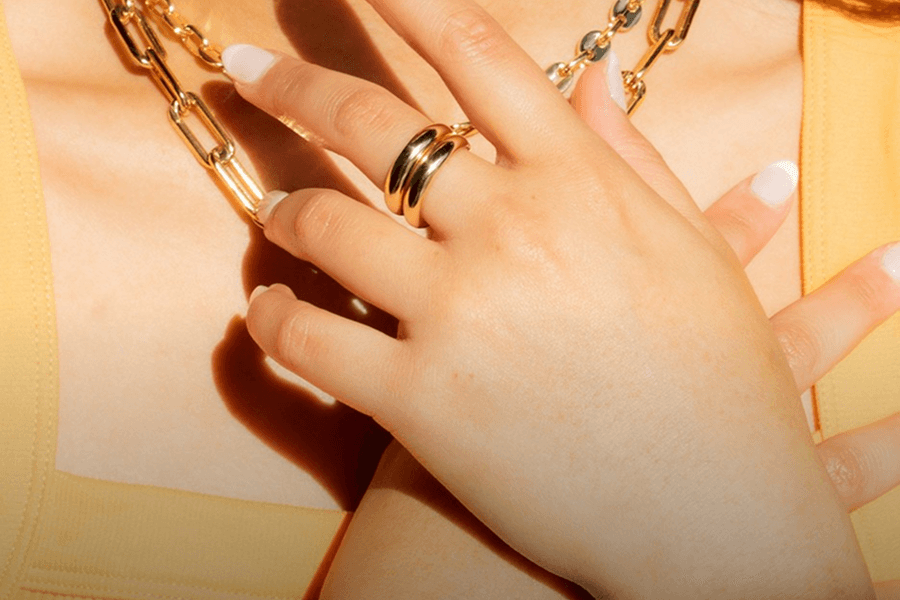
Yellow gold is the traditional choice and needs no plating at all. Its warmth also flatters slightly warmer diamond colour grades, which can stretch a budget. Rose gold takes its colour from copper in the alloy, making it both distinctive and marginally harder than yellow gold of the same carat.
Carat, briefly
- 9ct — harder and more affordable, with a paler colour.
- 14ct — a common balance of durability and richness of colour.
- 18ct — deeper colour and higher gold content, slightly softer.
- Higher carat means more gold, not more strength.
If you already wear jewellery daily, the simplest guide is what is already on your hands. Mixing metals is entirely acceptable, but matching them is usually what people find they prefer.
Have a question about your next piece? We're always happy to talk it through.
Get in Touch